





Better materials for eco-friendly slippers
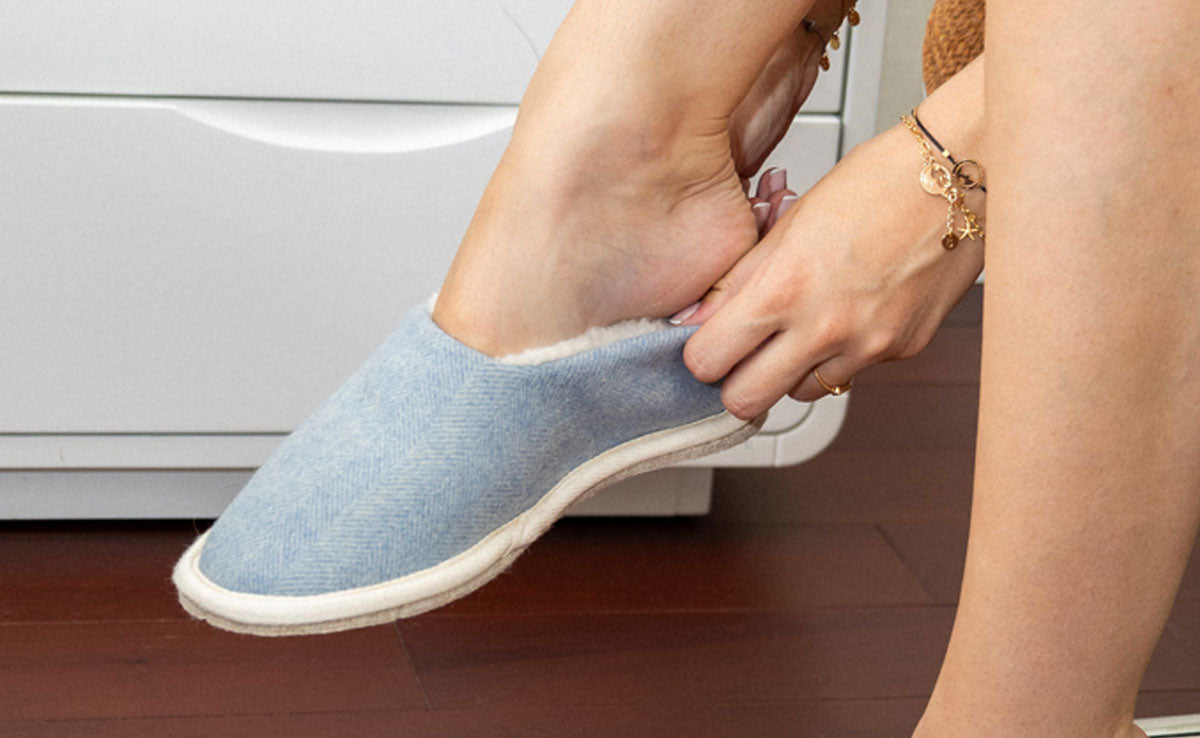
There are few pleasures as simple and comforting as coming home after a long day, slipping off your shoes, and sliding your feet into a pair of cozy slippers. This gesture is a true ritual, the signal that you can finally relax. Yet, in our quest for comfort, we often forget to consider the origin and composition of these faithful companions. Traditional slippers are frequently made from synthetic materials derived from petroleum, the production and disposal of which have a considerable environmental impact. Fortunately, a growing global awareness has given rise to a desirable and virtuous alternative: eco-friendly slippers.
Choosing eco-friendly slippers isn't just a purchase; it's a statement. It's deciding to combine personal well-being with respect for the planet, without sacrificing style or comfort. But faced with such a vast array of options, how do you navigate them? Which eco-friendly materialsguarantee warmth, durability, and a low environmental impact? From plant-based fibers and recycled innovations to wools sourced from sustainable supply chains, this comprehensive guide will shed light on the best options for keeping your feet warm and your conscience clear.
Plant fibers: natural and hypoallergenic softness
Plant-based materials are often the first choice for those seeking a vegan and natural alternative. They offer a wide variety of textures and properties, suitable for different seasons and sensitivities.
-
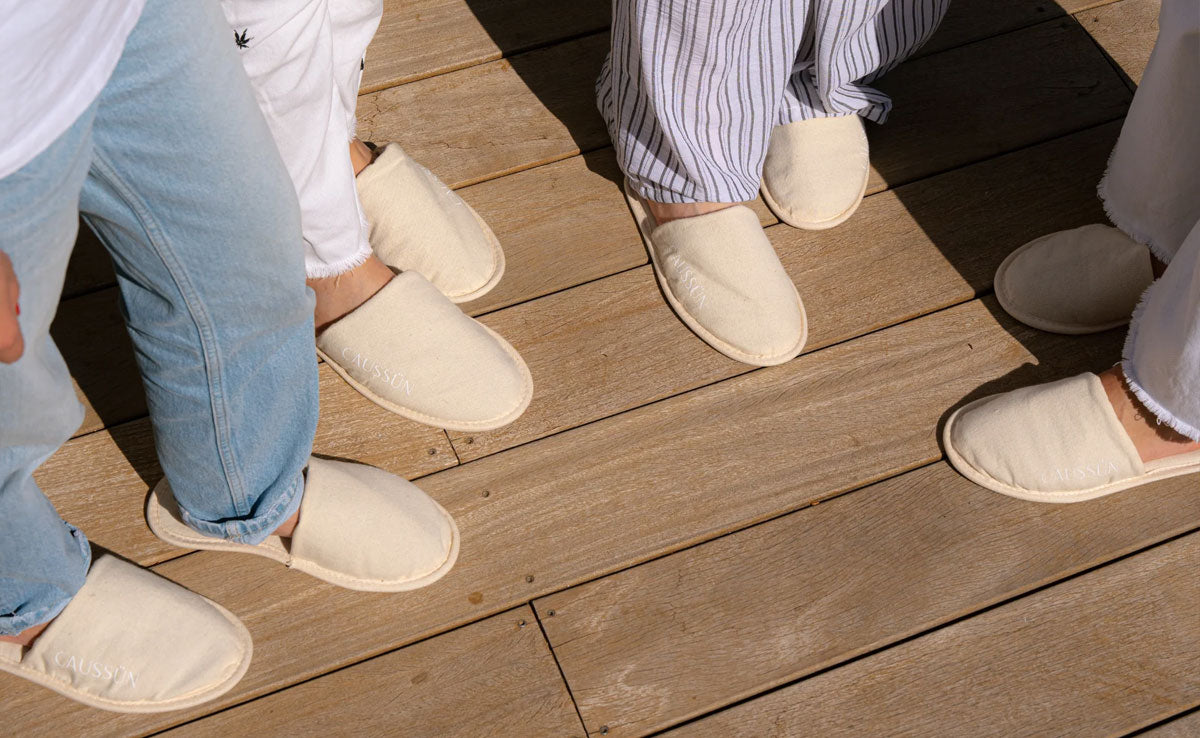
Organic Cotton: The Healthy and Comfortable Classic . Organic cottonisa star of ethical fashion, and for good reason. Grown without pesticides, insecticides, or other harmful chemicals, it preserves the health of the soil, ecosystems, and farmers. Furthermore, its cultivation uses significantly less water than that of conventional cotton. For slippers, it offers unparalleled softness, excellent breathability, and hypoallergenic properties, ideal for even the most sensitive skin. It's a perfect material for mid-season slippers or for those who don't get very cold feet, as its insulating properties are less than those of wool.
-
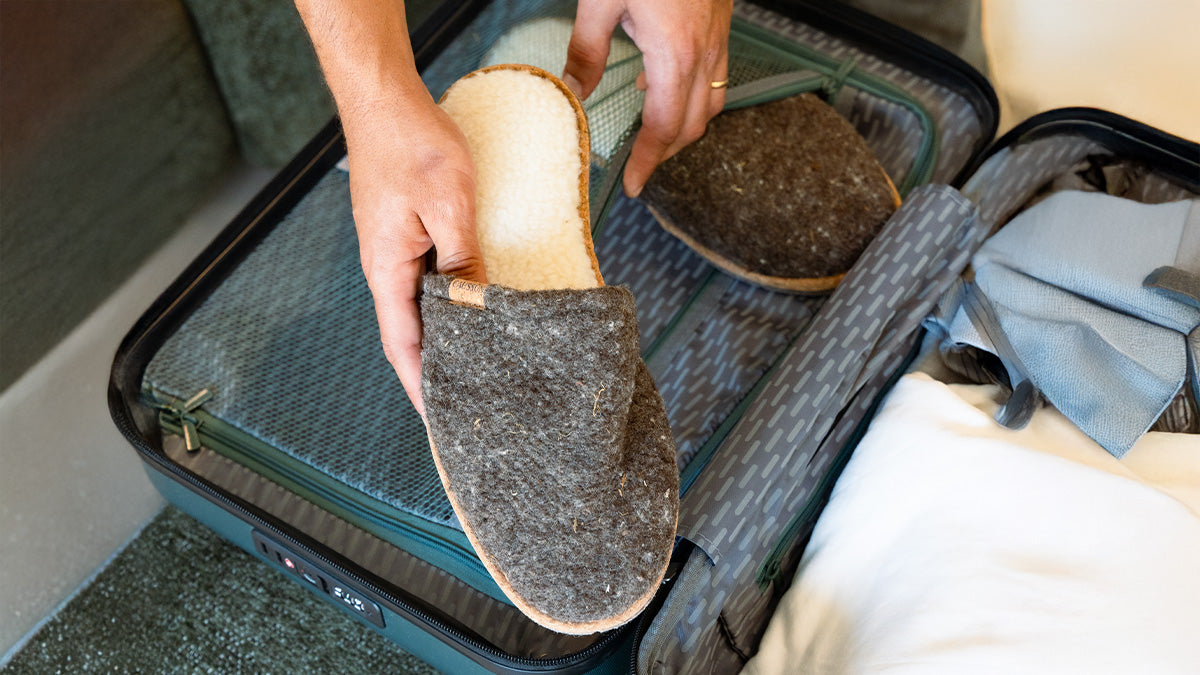
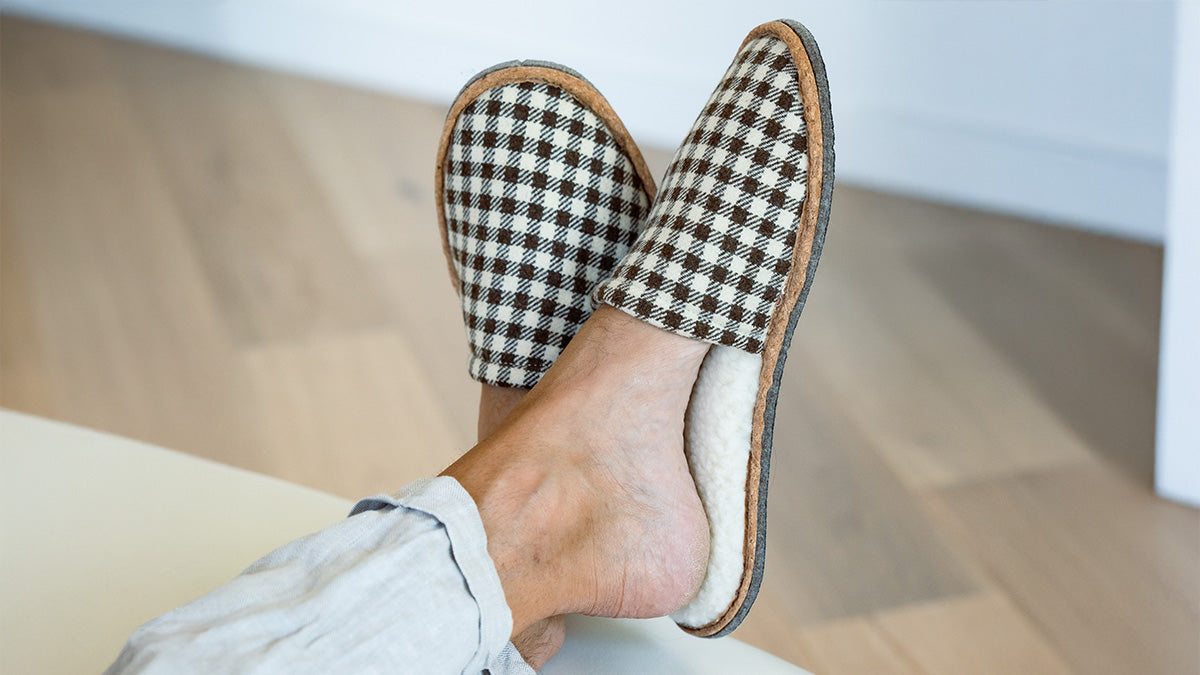
Cork: A Plant-Based Innovation with Multiple Virtues . Corkisa truly magical material. Sourced from the bark of the cork oak tree, it is produced without ever cutting down or damaging the tree, which regenerates naturally. It is therefore a renewable resource par excellence. Used primarily for soles, cork is lightweight, insulating (against both cold and heat), waterproof, and naturally antimicrobial, which helps prevent unpleasant odors. It also offers excellent cushioning. Some designers even use it for the upper part of slippers, creating models with unique designs and remarkable durability.
-
Linen and Hemp: Local and Resilient Fibers.Linen and hemp are champions of local eco-responsibility in Europe. These plants grow easily with very little water and without the need for pesticides. They also have the ability to improve soil structure. As a material for slippers, they are known for their high resistance and thermoregulatory properties: they keep feet cool in summer and insulate them in winter. Their natural and slightly rustic appearance adds an authentic charm. They are ideal for mules or lightweight indoor slippers.
Ethical animal fibers: unparalleled and lasting warmth
To cope with the harshest winters, animal fibers remain unsurpassed in terms of warmth and comfort. However, it is essential to choose products from sources that guarantee animal welfare and environmentally friendly practices.
-
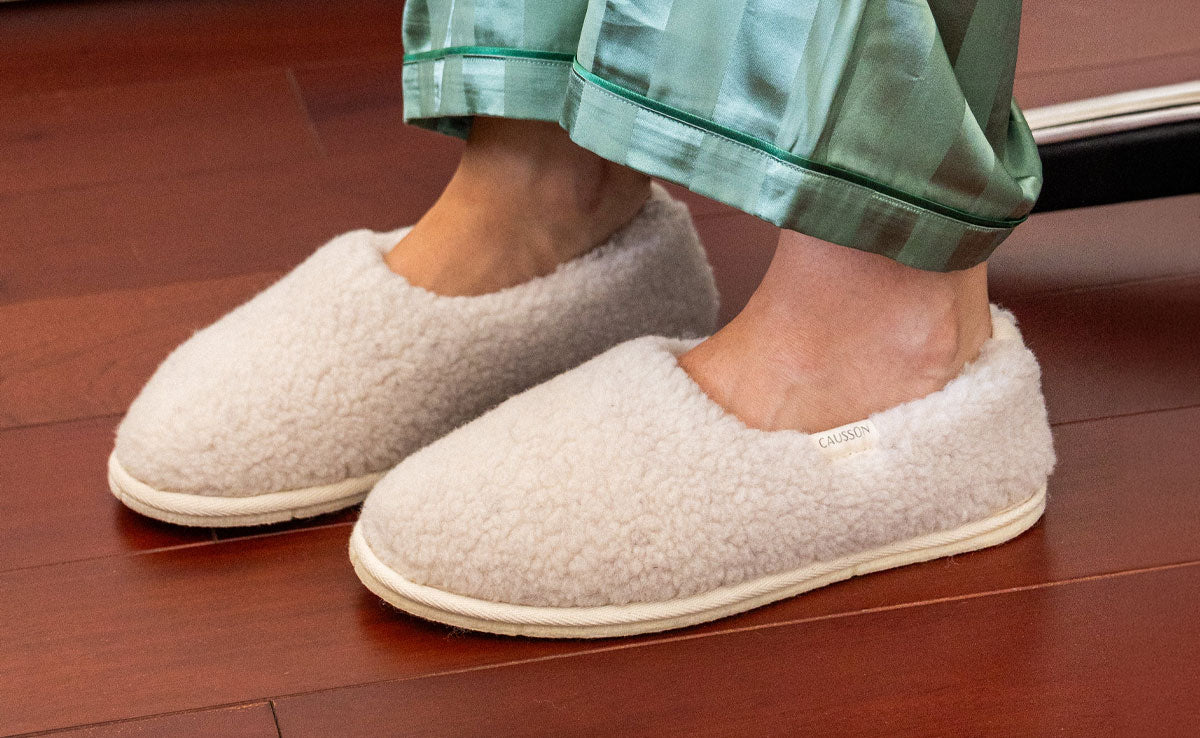
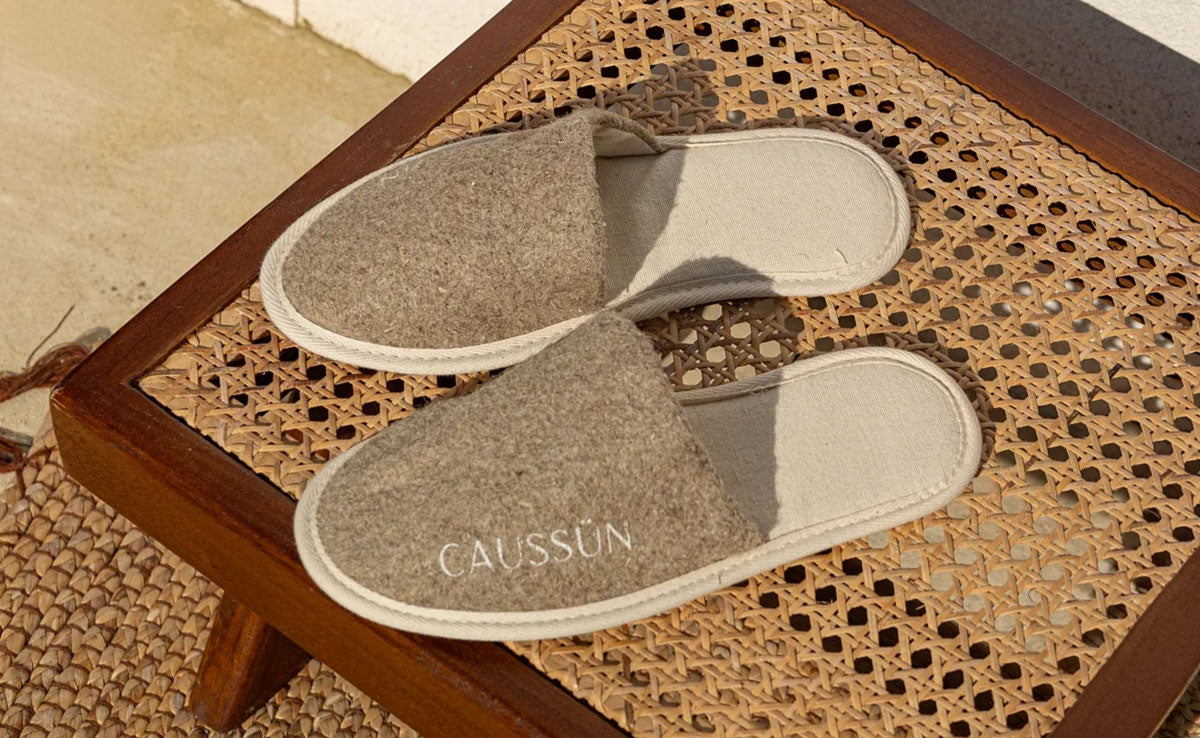
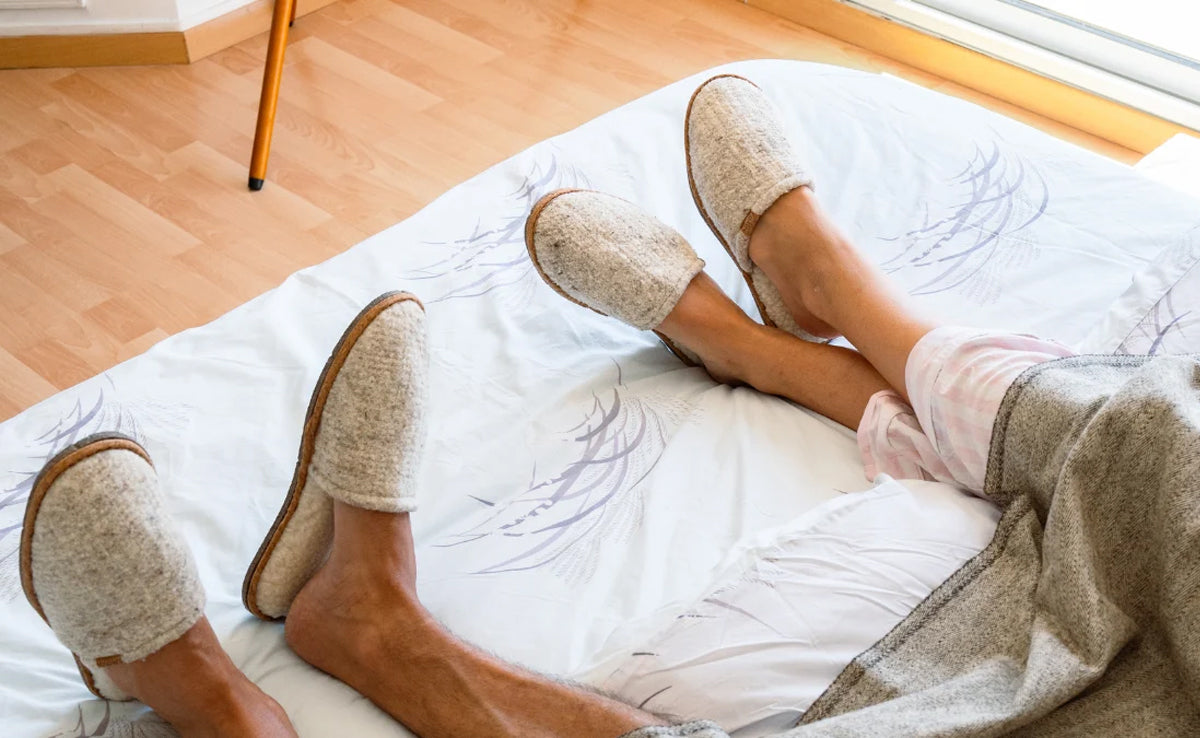
Wool: The Undisputed Queen of Winter Slippers.Whether felted, boiled, or knitted, wool is the ultimate material for warm slippers. It possesses exceptional thermoregulatory properties, meaning it keeps feet warm without making them sweat. It is naturally breathable, antibacterial (thus limiting odors), and biodegradable. For truly eco-responsible options, choose wool from farms guaranteed "mulesing-free" (a cruel practice for sheep) and, if possible, certified by labels that ensure respect for the animals and pastures. Sheep's, alpaca, or merino wool offers absolute comfort and durability, making it an investment for many winters to come.
-
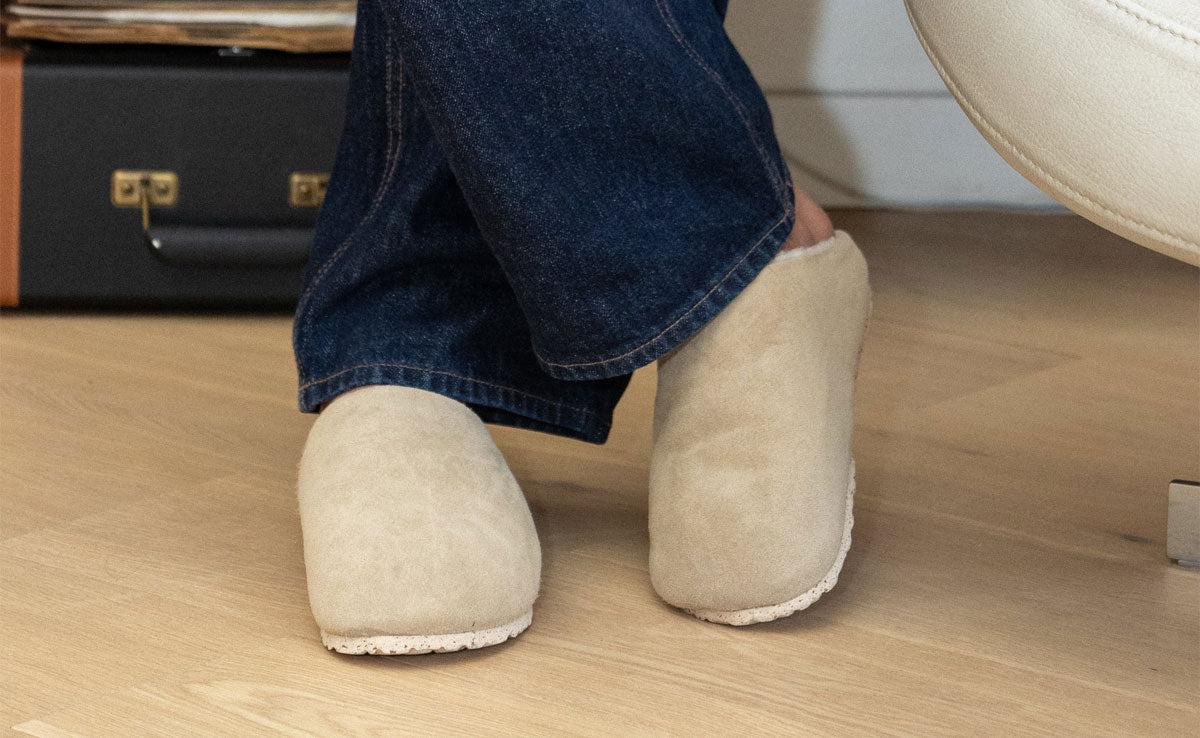
Vegetable-Tanned Leather: Natural Durability. Leather is a controversial material, but it can have its place in an ethical approach if chosen wisely. Chrome-tanned leather, an extremely polluting process, must be avoided at all costs. Conversely, vegetable-tanned leather uses natural tannins derived from plants (such as oak or mimosa bark). This longer, more artisanal process is much less harmful to the environment. Leather treated in this way is healthier for the skin, biodegradable, and exceptionally durable. Used for the sole or the upper of the shoe, it molds to the shape of the foot and develops a beautiful patina over time.
The circular economy: the magic of recycling and upcycling
The most environmentally friendly solution is often not to create new materials, but to reuse existing ones. The circular economy offers innovative and efficient alternatives for eco-responsible slippers.
-
Recycled Wool: Uncompromising Warmth. Recycled wool is a fantastic option. It's made from textile production scraps or old woolen garments that are collected, shredded, and then spun back into new yarn. This process drastically reduces the amount of textile waste, saves enormous amounts of water and energy, and lessens the pressure on sheep farms. Slippers made from recycled wool offer the same warmth and comfort as those made from virgin wool, but with a much smaller environmental footprint.
-
Recycled Plastic (PET): A Second Life for Our Waste. As surprising as it may seem, plastic bottles can be transformed into a soft, warm felt, perfect for making slippers. This PET (polyethylene terephthalate) recycling process diverts tons of plastic waste from our oceans and landfills. Slippers made from recycled PET are often lightweight, durable, and highly insulating. This is an excellent demonstration of how innovation can transform an environmental problem into a comfortable solution.
-
Natural and Recycled Rubber: The Perfect Sole.The sole is a key element in the durability of a slipper. Natural rubber, derived from the sap of the rubber tree, is a renewable and biodegradable resource. It offers great flexibility and anti-slip properties. Recycled rubber, often sourced from car tires or industrial waste, is another excellent alternative. It is extremely robust and durable, ideal for slippers that you want to be able to wear for a quick trip out into the garden or onto the balcony. Choosing slippers with a natural or recycled rubber sole guarantees longevity and a low environmental impact.
Conclusion
Choosing your future relaxation companions is no longer a trivial matter. Opting for eco-friendly slippersmeans making a conscious choice for comfort that doesn't come at the expense of the planet. Whether you prefer the natural softness of organic cotton, the incomparable feel of ethically sourced wool, the innovative durability of cork, or the ingenuity of recycled wooland natural rubber, there is now a multitude of eco-responsible materialsto meet every need and every conviction.
By paying attention to the composition of your slippers, you become an informed consumer, able to support committed brands and sustainable craftsmanship. You choose a product designed to last, one that respects natural resources and animal welfare. So, the next time you slip your feet into a pair of slippers, you can experience a double satisfaction: the satisfaction of absolute comfort and the satisfaction of contributing, even on a small scale, to a fairer and more respectful way of life. Your feet and the planet will thank you.


Leave a comment
This site is protected by hCaptcha and the hCaptcha Privacy Policy and Terms of Service apply.